

Strategy
Data Compliance Isn’t Optional. Is Your Dev Putting You at Risk?

In today’s regulatory climate, “we’ll figure it out later” doesn’t cut it when it comes to data compliance. Whether it’s SOC 2, GDPR or other frameworks, the rules aren’t suggestions, they’re law.
Yet too many companies discover, months into a project, that their development partner has treated compliance as an afterthought. No clear documentation. No processes for data protection. No answers when you ask basic questions about where data is stored or who has access.
This isn’t just sloppy, it’s dangerous. Fines can reach millions. A single breach can erode customer trust beyond repair. And the cost of fixing a non-compliant system after it’s live is far higher than building it right from the start.
The False Comfort of Assumptions
Many non-technical leaders assume compliance is baked into the work by default, that “of course” their dev partner is handling it. The reality? If your developer isn’t bringing it up, it’s not happening.
We’ve seen projects where sensitive user data was stored without encryption, or backups were sitting unsecured in third-party servers. The dev team wasn’t malicious, they just weren’t experienced in compliance-heavy builds.
And in this space, ignorance isn’t an excuse.
Compliance Is an Engineering Problem, Not a Checkbox
True compliance isn’t just a policy in a PDF file. It’s:
- Architecting databases to protect personal data.
- Implementing access controls and audit trails.
- Building workflows that minimize unnecessary data collection.
- Documenting processes so they can stand up to an audit.
It’s technical, it’s strategic, and it has to be intentional from day one.
Why Clients Choose Telos
We’ve guided companies through SOC 2, GDPR and industry-specific compliance requirements. Our approach is proactive: before we write a line of code, we map out where data will live, how it will move, and how it will be protected.
When we started building SimpleDocs, we always knew enterprise customers would insist on SOC 2 and GDPR. We built that way from day one.
That means:
- You know exactly how your data is handled.
- Your systems are audit-ready from launch.
- Compliance is part of the build, not an emergency patch.
The Bottom Line
If your developer can’t confidently walk you through their compliance practices, you’re exposed. In a world where the cost of getting it wrong is sky-high, you can’t afford to guess.
The right partner doesn’t just code, they protect you, your users, and your business from day one.
More posts in Strategy
Why AI Initiatives Stall: 3 Organizational Gaps and How to Close Them
Most AI initiatives stall for organizational reasons, not technical ones. The three gaps that cause it, and how leadership can close them.

Jul 17, 2026
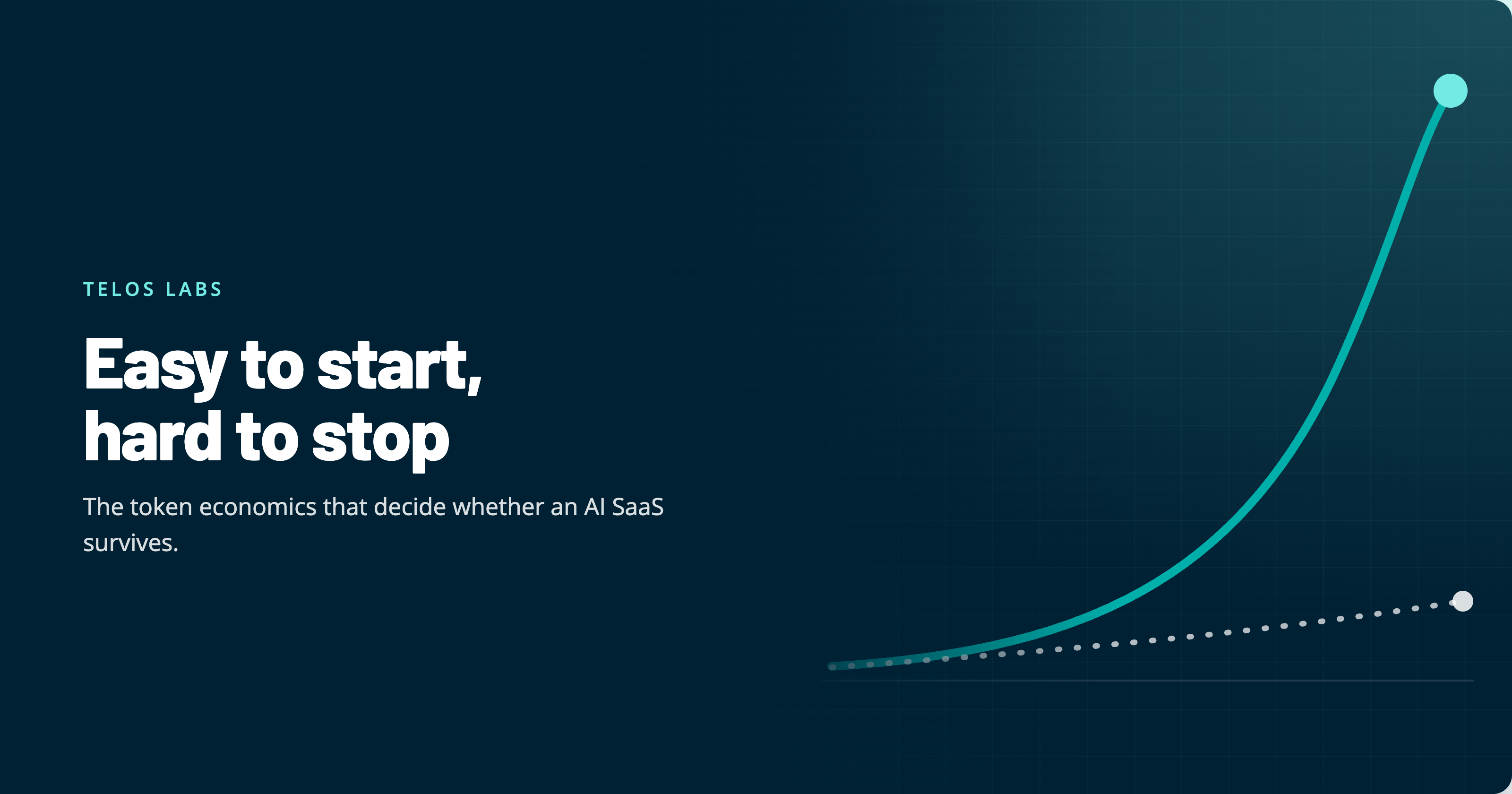
Easy to Start, Hard to Stop: The Token Economics That Decide Whether an AI SaaS Survives
For an LLM-dependent SaaS, token economics are a survival question. How routing and evals move cost onto an axis you actually control.

Jul 16, 2026
Five Questions to Ask Before You Approve an AI Project
Before you sign off on an AI vendor, agency, or software purchase, five questions surface the cost risks the demo hides.
Jul 15, 2026